Pitra Yadnya: Sacred Offerings to Ancestors
Pitra yadnya is a sacred offering to ancestors. "Pitra" refers not only to ancestors but also to living parents. Pitra yadnya is performed as a gesture of gratitude for the ancestors' role in protecting us and bringing us into the world.
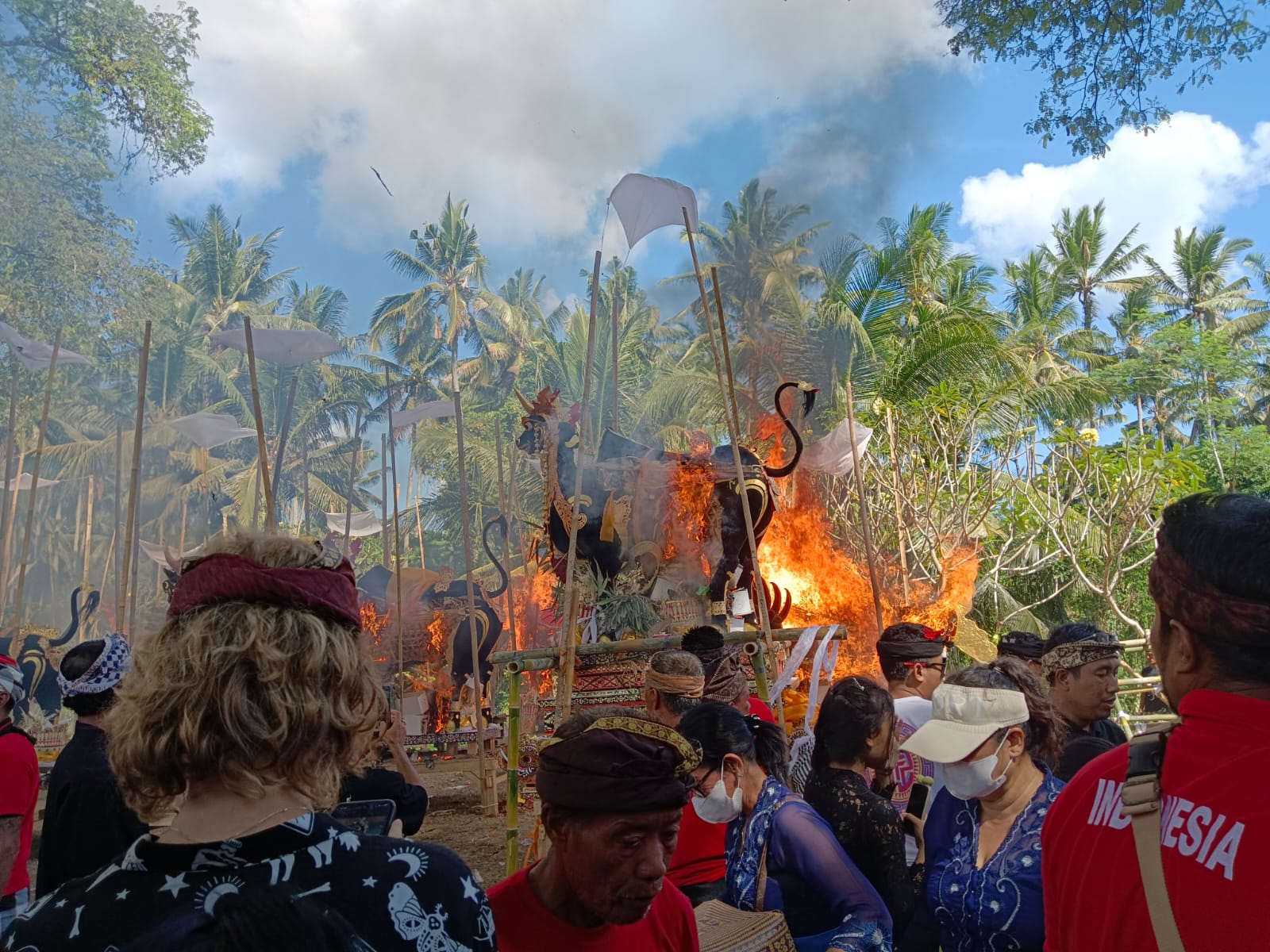
In daily life, implementing Pitra Yadnya can involve respecting and caring for parents. In ritualistic practice, Pitra Yadnya includes ceremonies such as ngaben (cremation rites) for the deceased, Atma Wedana ceremonies, and Uparaca Atiwa-Tiwa ceremonies.
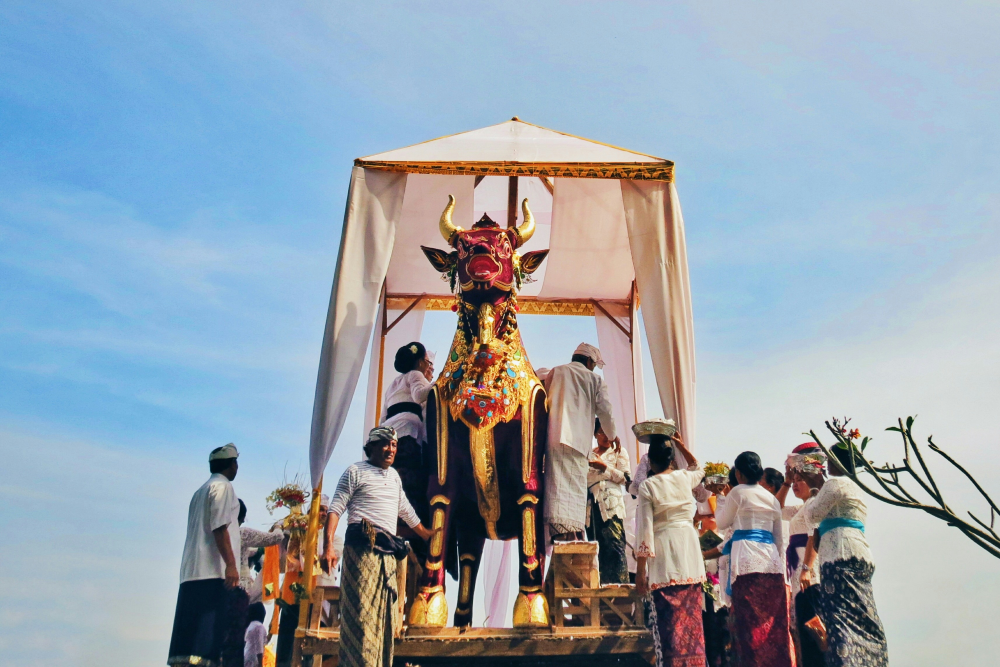
The Ngaben ceremony, the most prominent death ritual in Bali, reflects Balinese traditions deeply. It is conducted by the deceased's descendants to guide their soul to its rightful place alongside Ida Sang Hyang Widhi Wasa. Ngaben is a ceremony to reunite the atma (soul) with the paramaatma (God). It sanctifies the atma (spirit). In Hinduism, humans consist of the gross (physical body) and subtle (atma or soul) bodies. During Ngaben, the body is cremated to symbolically return its five elements (panca maha bhuta) to their origins, and the ashes are scattered into the sea to release the soul from worldly bonds and unite it with God. For the family, Ngaben symbolizes acceptance and a willing release of the departed.
Ngaben has several variations, such as Sawa Wedana involving intact or unburied bodies, Asti Wedana for skeletons previously buried, Swasta for cases where the body or skeleton isn't found, Ngelungah for children who haven't lost their baby teeth, and Warak Kruron for miscarried infants.
Apart from Ngaben, there's the term Palebonan. Are they different? Although both are cremation ceremonies, they differ in terms of process, cost, and appearance. Palebon is specifically for cremating nobles, kings, and holy figures like sulinggih in Bali. In some regions of Bali, respected figures like village chiefs also undergo Palebonan ceremonies.