Getting to Know Dewa Yadnya: How Balinese Hindus Give Thanks to the Gods
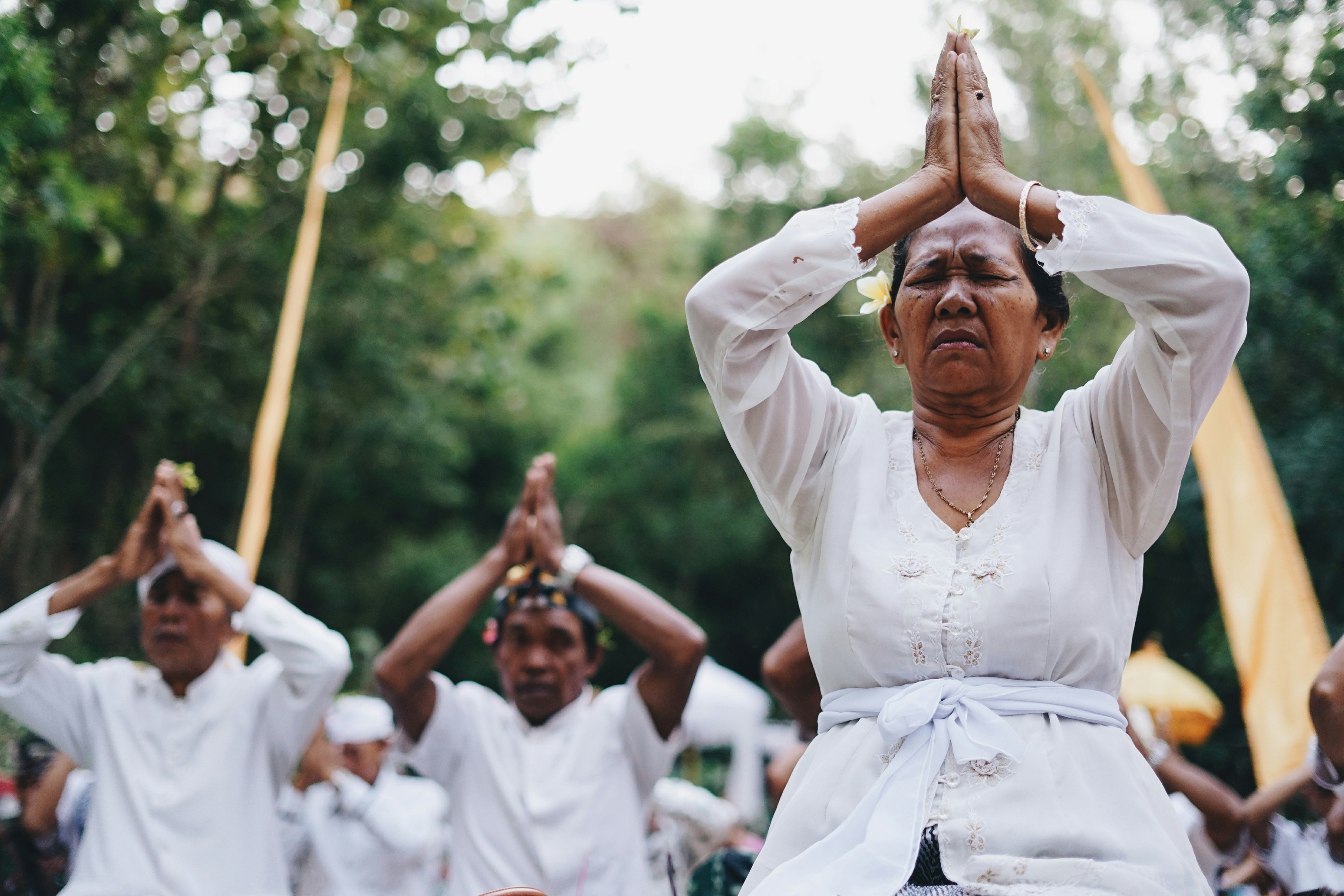
The Balinese people make sacred offerings to Ida Sang Hyang Widhi Wasa (God). This is what Dewa Yadnya entails. As an expression of gratitude for His blessings and grace, Dewa Yadnya is observed not only through major religious ceremonies but also through daily rituals. These include tri sandya prayers and sesa yadnya offerings. Additionally, on specific days, religious ceremonies may include piodalan and major festivals such as Galungan, Kuningan, and others.
Pujawali or Piodalan
In Bali, Hindu devotees perform piodalan or pujawali at temples (pura) and ancestral temples (merajan) to commemorate sacred days observed at specific intervals, such as every six months or annually. The term "piodalan" originates from "wedal," meaning to emerge or be born, signifying the anniversary of the temple's establishment. Piodalan ceremonies come in two forms: alit, which are small-scale, and agung, which are grand and elaborate.

Galungan Day
Galungan is a major festival celebrated every six months in the Balinese calendar, observed throughout Bali. Do you know the deeper meaning behind Galungan and its unique ceremonies? There are several rituals and traditions performed leading up to Galungan.
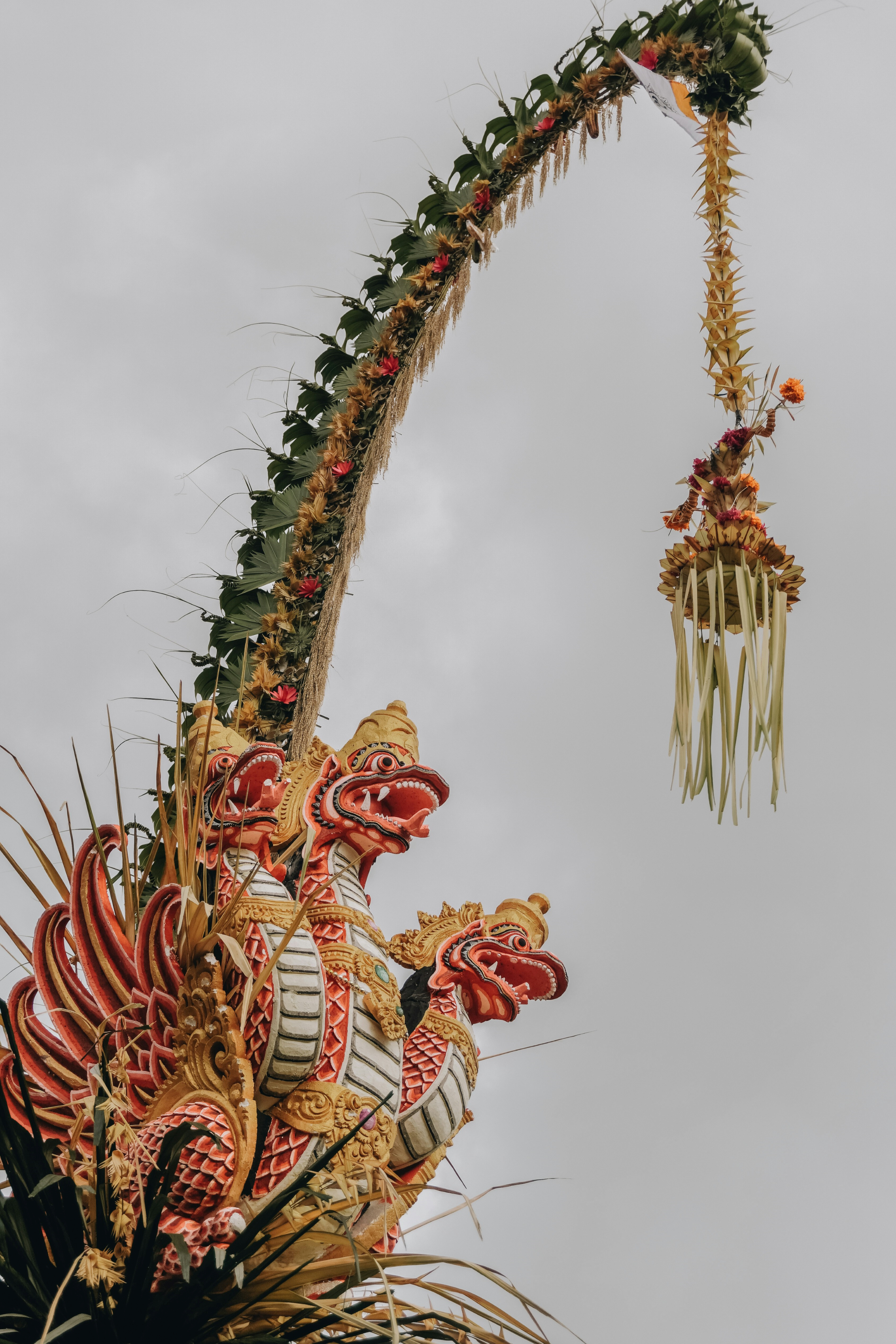
Galungan commemorates the triumph of dharma (duty, virtue, and truth) over adharma (evil). One unique aspect of this festival is the installation of "penjor" poles at every house. Penjor is a tall, curved bamboo pole adorned with coconut leaves (janur). Symbolically, penjor represents prosperity and gratitude.
The series of events begins with Tumpek Wariga, a ceremony held 25 days before Galungan Day. This ceremony involves offering sesaji to worship Sang Hyang Sangkara, believed to be the manifestation of God as the creator and protector of plants. Typically conducted in rice fields or gardens, the unique aspect of this ritual is when participants recite prayers while tapping the plant stem three times:
I pekak nak gelem (grandpa is sick.)
I pekak gelem apa dong? (what is grandpa sick with, grandpa?)
I pekak gelem kebus dingin (grandpa has a fever)
Nged nged nged, (dense, dense, dense)
Buin selae lemeng galungane mangde mebuah, nged nged nged” (In 25 days, may Galungan bring dense blessings, dense blessings, dense blessings)
In Bali, the meaning of this ceremony is that the plants grown will soon bear fruit, which will be used for the Galungan ceremony as an expression of love and respect for vegetation.
The next sequence involves the Sugihan Jawa and Sugihan Bali ceremonies, performed six days and five days respectively before Galungan Day. These ceremonies are conducted with the intention of self-purification. Sugihan Jawa purifies the universe, while Sugihan Bali purifies the self.
During the three days preceding Galungan Day, several traditions are observed in Bali: penyekeban, penyajaan, and penampahan. Penyekeban involves ripening raw fruits before they are used in ceremonies, but philosophically, it also signifies restraining oneself from prohibited actions. Penyajaan typically involves making traditional snacks and preparing for the ceremonies. Philosophically, it strengthens determination and readiness to welcome Galungan. Lastly, penampahan involves the day of slaughtering pigs for yadnya and installing penjor. Philosophically, this day symbolizes conquering negative traits within oneself.
On Wednesday of the wuku Dungulan, the peak of the Galungan ceremony is celebrated. Hindu devotees perform prayers at merajan (ancestral temples) and all temples within the banjar community. It's a joyous occasion filled with gratitude, celebrating the triumph of dharma over adharma.
Kuningan Day
Ten days after Galungan is Kuningan Day. Kuningan is when ancestral spirits return to their realm, marking the final offering and prayer before their departure. The uniqueness of Kuningan lies in the sacred significance of the color yellow, symbolizing prosperity and well-being.